

1. WHAT HAPPENED
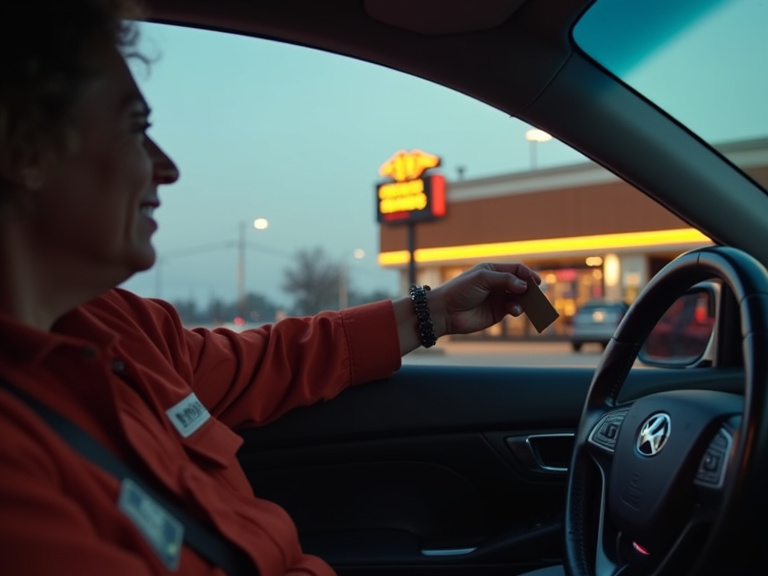
It is a Tuesday night, you are too exhausted to cook, and you pull into the local drive-thru. Two combo meals and a kids meal later, the cashier asks for $38. You hand over your card, wondering when a quick paper bag of burgers became a luxury purchase. Meanwhile, your weekly grocery bill has quietly stopped giving you heart palpitations.
You are not imagining things. A widening, hidden gap has formed in the American food economy. The cost of dining out has detached from the cost of food itself, creating a silent tax on convenience. By shifting just two $45 restaurant or takeout meals a week to $15 home-cooked equivalents, a typical household can save roughly $3,120 a year in post-tax money. That is a massive 'drive-thru penalty' you are paying just to avoid doing the dishes.
2. THE NUMBERS
The latest inflation report tells a tale of two completely different food budgets. According to the Bureau of Labor Statistics Consumer Price Index data released in April 2026, the cost of food away from home (restaurant meals) jumped 3.8 percent over the past 12 months [1]. Meanwhile, food at home (groceries) rose just 1.9 percent [1].
That 1.9 percentage point divergence is a massive drag on your monthly cash flow. The U.S. Department of Agriculture expects this exact trend to persist throughout 2026, forecasting restaurant prices to climb by another 3.6 percent on average, while grocery prices stabilize well below their historical norms [2].
What does this mean for your wallet? If your family spends $400 a month dining out, you are paying a compounding premium simply for the convenience of a commercial kitchen. And relief is not coming anytime soon: a February 2026 survey of U.S. restaurant operators found that 71 percent plan to raise menu prices again this year to protect their margins [3].
3. WHY NOW?
To understand why this gap is widening, you have to realize that when you buy a burger at a fast-food joint, you are barely paying for the beef. You are paying for the commercial real estate, the liability insurance, and most importantly, the labor.
Over the last two years, hospitality wages and rent have surged. A March 2026 working paper from the National Bureau of Economic Research (NBER) perfectly illustrates this mechanism. Economists analyzed the fallout of a recent $20 minimum wage mandate for fast-food workers in California and found that limited-service restaurant prices immediately spiked by roughly 5 percent as a direct result [4].
The researchers noted that employers passed an estimated 63 percent of these higher wage costs directly to consumers [4]. It is a textbook example of a structural market mechanism at play: restaurants operate as labor-intensive service businesses masquerading as food providers. Because they cannot simply absorb massive spikes in overhead, the cost of staffing the fryer is baked directly into the price of your french fries. At the supermarket, labor makes up a much smaller fraction of the final retail price of an apple or a box of pasta.
4. WHAT'S INTERESTING OR UNUSUAL
The great irony here is that fast food, historically the ultimate budget safety net for the working class, is experiencing some of the sharpest price hikes in the entire economy. You would reasonably expect that as restaurants get more expensive, consumers would simply stop going and start cooking at home.
Yet, the behavioral data shows a deeply counterintuitive twist. Consumers are fiercely protecting their dining-out habits, choosing to adapt in strange ways rather than give up the convenience. A January 2026 McKinsey analysis found that while diners are acutely aware of the rising costs, they prefer to trade down within the restaurant itself [5].
Instead of skipping the drive-thru to make a sandwich at home, diners are simply ordering smaller portions, skipping the drink, or splitting meals. They are fiercely attached to the habit. This creates an incredibly unusual market dynamic where a premium cut of steak bought at the grocery store and cooked at home might now literally cost less than a standard burger-and-fry combo meal for two delivered to your door.
5. WHO IT AFFECTS
- Home cooks and grocery chains: Shoppers willing to prep their own meals are the clear winners, reaping the benefits of stabilizing commodity prices and aggressive supermarket discounts.
- Time-strapped lower and middle-income families: Gen X and baby boomer households are showing the sharpest pullback in restaurant spending, according to industry data, as the convenience they rely on drains their budgets [5].
- Delivery app loyalists: Anyone using apps like DoorDash or UberEats needs to pay close attention. You are paying menu markups on top of delivery fees, meaning you are experiencing the absolute peak of this inflation gap.
6. HISTORICAL CONTEXT
Historically, grocery prices and restaurant prices tracked relatively closely together, rising and falling with the broader commodities market. But that link has officially broken. The USDA notes that 2026 restaurant inflation is projected to outpace its 20-year historical average, while grocery inflation is predicted to fall below its own two-decade average [2]. The last time we saw a structural gap this persistent was during major labor shortage shifts, proving that you are now paying a permanent premium for service, not food.
7. WHAT THIS MIGHT MEAN
First, expect the barbell dining trend to accelerate. People will likely cook more everyday meals at home to save money, reserving their restaurant budget exclusively for high-end, sit-down experiences where the premium feels justified. Second, prepare for an absolute avalanche of fast-food value menus and app-exclusive deals in the next three to six months. As foot traffic continues to dip, major chains will use digital coupons to win back the most price-sensitive customers.
8. WHAT YOU CAN DO ABOUT IT
- Audit your delivery app history today: Open your primary food delivery app, tally exactly what you spent over the last 30 days, and multiply it by 12. Take half of that annualized number and set up an automatic monthly transfer from your checking account to a high-yield savings account, effectively paying yourself the drive-thru penalty.
- Download native fast-food apps for hidden deals: If you must eat on the go, never order at the physical drive-thru window. Download the official app for chains like McDonald's or Wendy's. Operators are currently burying their best buy-one-get-one deals and 20-percent-off coupons in the apps to reward customers for sharing their data.
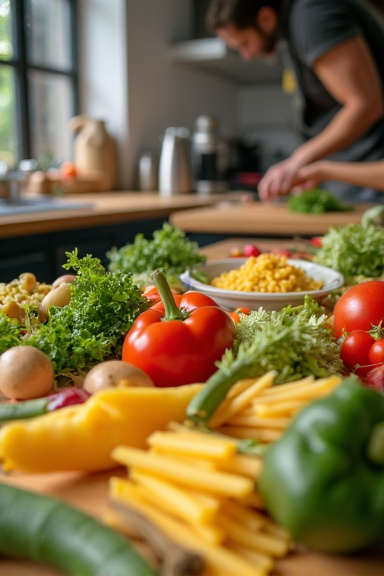
- Upgrade your grocery splurges: Next Friday night, instead of dropping $50 on mediocre takeout, take $20 to the grocery store and buy a premium pre-marinated protein or a high-end frozen meal kit. You will satisfy the craving for convenience, eat a higher quality meal, and still keep $30 in your pocket.



Comments (2)
Leave a Comment